Why Is Ghee So Valued in Ayurveda?
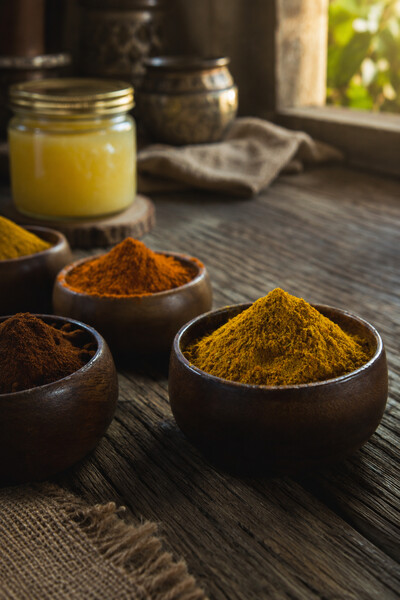
Ghee, also known as clarified butter, has been treasured in Ayurveda for centuries and is often referred to as liquid gold. Traditionally prepared from cultured butter made from cow’s milk, ghee is slowly heated to remove water and milk solids, leaving behind a pure, nourishing fat with a rich golden color.
Unlike regular butter, ghee is lightweight, deeply nourishing and easier to digest. It is naturally rich in healthy fatty acids, antioxidants, and fat-soluble vitamins such as A, D, E and K. In Ayurvedic tradition, it is valued not only for its nutritional qualities, but also for its ability to support the body on a deeper level.
In the kitchen, ghee enhances both flavor and digestion. It is believed to strengthen Agni — the digestive fire — while supporting gut health, immunity and mental clarity.
What makes ghee especially unique in Ayurveda is its ability to balance all three doshas: Vata, Pitta and Kapha. It is particularly beneficial for calming excess Vata, bringing warmth, grounding and nourishment to the body and mind.
Beyond cooking, ghee plays an important role in Ayurvedic therapies and rituals. It is used in treatments such as Panchakarma, in herbal preparations and medicinal oils, helping carry the healing properties of plants deeper into the tissues. Ghee is also applied externally in massages and body treatments to support relaxation, regeneration and skin nourishment. In certain therapies, it is used internally as part of cleansing and rejuvenation practices such as Nasya or Vasti.
In Ayurveda, ghee is more than simply an ingredient — it is considered a powerful tool for balance, vitality and long-term wellbeing. Incorporating it into daily rituals can gently support both body and mind while bringing more warmth and nourishment into everyday life.
The text was prepared by Dr Dananji