Autumn According to Ayurveda
In Ayurveda, autumn — known as Sharad Ritu — is considered a season of transition and transformation. Ancient Ayurvedic texts such as the Charaka Samhita and Sushruta Samhita describe this period as a time when the body and mind require special care, balance and nourishment in order to adapt to the changing environment.
Following the heat and intensity of summer, autumn brings cooler, drier and lighter qualities. These seasonal changes influence the doshas — Vata, Pitta and Kapha — the bio-energetic forces that govern the body and mind. During this time, both Pitta and Vata doshas can become aggravated if not properly balanced.
Pitta dosha, associated with heat, transformation and metabolism, tends to accumulate during summer and may become more sensitive in early autumn. When out of balance, it can manifest through symptoms such as skin irritation, acidity, digestive discomfort, inflammation or emotional irritability. At the same time, the dry and windy qualities of autumn may also increase Vata, leading to restlessness, dryness and fatigue.
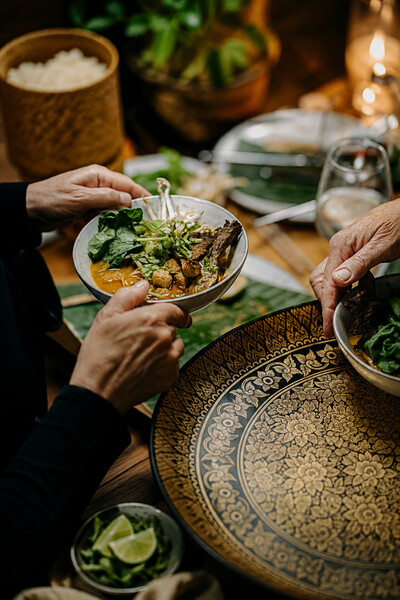
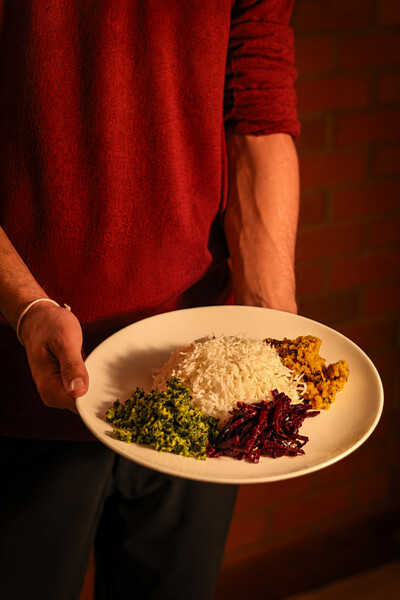
One of the most important ways to support balance during autumn is by caring for Agni — the digestive fire. Ayurveda recommends warm, nourishing and easily digestible meals prepared from seasonal ingredients. Foods with naturally sweet, bitter and astringent tastes are especially supportive during this season, helping cool excess Pitta while gently stabilizing Vata.
Dietary Recommendations for Autumn
Cooling and grounding grains such as rice, quinoa and barley are considered beneficial. Seasonal vegetables including squash, zucchini, cucumber and leafy greens may also help support balance and digestion.
At the same time, Ayurveda suggests reducing excessively spicy, fried, oily or fermented foods during autumn, as these may further aggravate Pitta and create digestive imbalance.
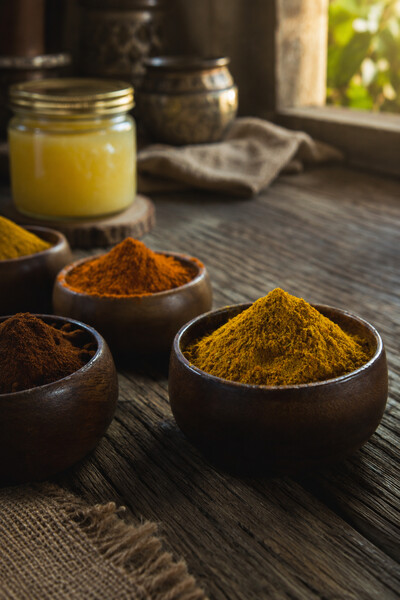
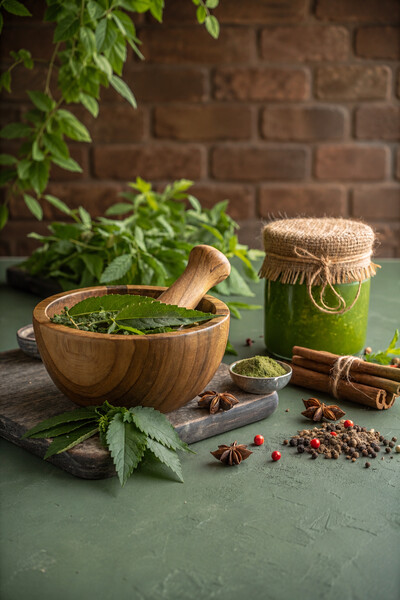
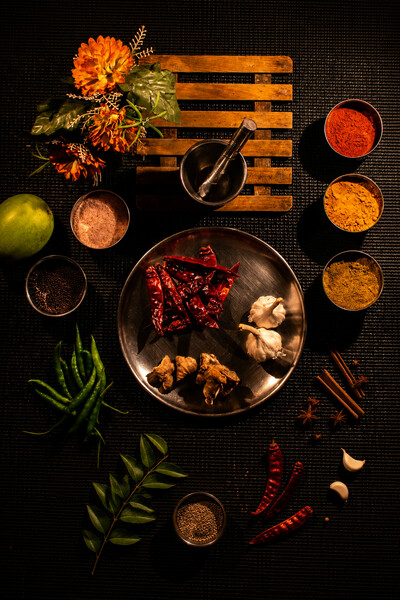
Gentle digestive spices and herbs such as fennel, coriander, cumin and turmeric can help support healthy digestion without overheating the body. They are traditionally used to strengthen Agni, support liver function and reduce the accumulation of Ama — toxins created through improper digestion.
Lifestyle Practices for Seasonal Balance
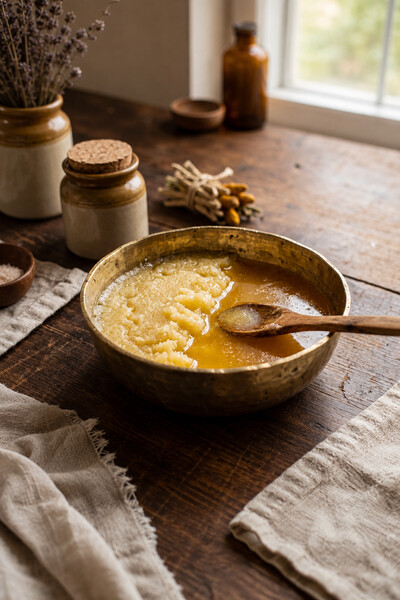
Ayurveda views daily rituals as essential for maintaining harmony during seasonal transitions. Practices such as Abhyanga — a warm oil body massage — help calm the nervous system, nourish the skin and ground excess Vata.
Gentle movement, yoga, stretching and conscious breathwork are also recommended to support emotional balance, improve circulation and reduce stress.
During autumn, Ayurveda may additionally recommend cleansing and rejuvenating therapies such as Panchakarma, especially to help release accumulated Pitta and support the liver and digestive system.
In Ayurvedic philosophy, living in harmony with nature’s rhythms is both preventative and healing. Through small but conscious adjustments to diet, routine and self-care, we can support the body more naturally through each seasonal transition.
Autumn is a season of change, reflection and slowing down. Ayurveda invites us to move through it with greater awareness, balance and connection to both ourselves and the natural world around us.
The text was prepared by Dr Dananji