Healing Through Touch
The Role of Massage in Ayurveda
In Ayurveda, true wellbeing is created through balance between body, mind and spirit. Because these elements are deeply interconnected, healing is approached in a holistic and supportive way. One of the most important therapeutic practices used in Ayurveda to restore this balance is massage.
Far beyond simple relaxation, Ayurvedic massage therapies are designed to nourish the body, calm the nervous system, improve circulation and support the body’s natural detoxification processes. Through the healing power of touch, warmth and medicinal oils, Ayurveda aims to create harmony within both the physical and emotional body.
Abhyanga — Ayurvedic Oil Massage
The most well-known Ayurvedic massage is Abhyanga, a full-body treatment performed using warm herbal oils carefully selected according to the individual’s dosha and specific needs.
In Ayurvedic philosophy, massage plays an important role in balancing the three doshas — Vata, Pitta and Kapha — which govern all physiological and mental functions within the body.
Ayurvedic massage is traditionally believed to support:
Healthy circulation and lymphatic flow
Relaxation of muscles and joints
Detoxification and elimination of Ama (toxins)
Nourishment of the skin and tissues
Reduction of stress and nervous tension
Improved vitality and overall balance
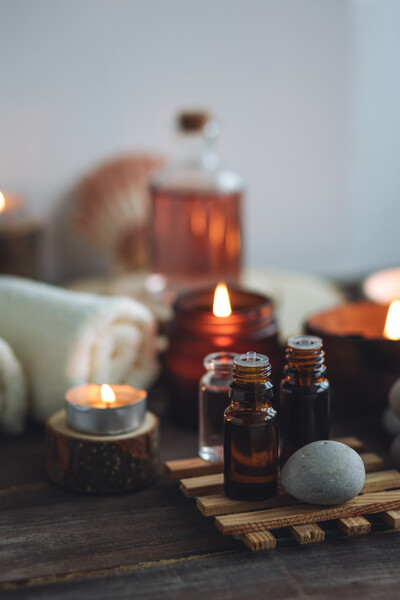
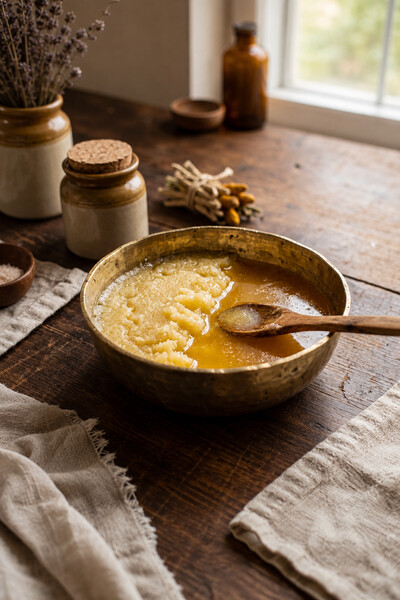
The use of warm oils, known in Ayurveda as Snehana, is considered one of the key foundations of these therapies. The oils are not chosen randomly — each formulation carries specific therapeutic properties.
Traditional Ayurvedic Oils
Narayana Taila
Traditionally used to support joint health, muscle stiffness and nervous system balance. Often recommended in conditions related to pain, weakness or reduced mobility.
Mahamasha Taila
A deeply nourishing oil valued for supporting muscles, nerves and physical strength, especially in cases of muscular weakness or fatigue.
Karpooradi Taila
Known for its cooling and soothing qualities due to the presence of camphor. Commonly used to support muscular comfort and respiratory wellbeing.
Sarshapadi Taila
A warming oil traditionally used to stimulate circulation and help reduce sensations of coldness and congestion.
Neelibhringadi Tailam
A classic Ayurvedic head oil valued for supporting scalp health, hair nourishment and relaxation.
Pinda Taila
Traditionally used to soothe heat, inflammation and discomfort related to joints and sensitive skin conditions.
Brahmi Taila
One of the most calming Ayurvedic head oils, traditionally used to support relaxation, sleep quality, mental clarity and emotional balance.
Ayurvedic Massage Techniques
Ayurvedic massages use specific rhythmic movements designed to stimulate circulation and support energetic balance within the body. Techniques may include:
Long flowing strokes
Circular motions around joints
Gentle pressure and tapping
Stimulation of Marma points — vital energy points within the body
Alongside full-body Abhyanga, Ayurveda also offers more localized therapies such as:
Shiroabhyanga — head massage
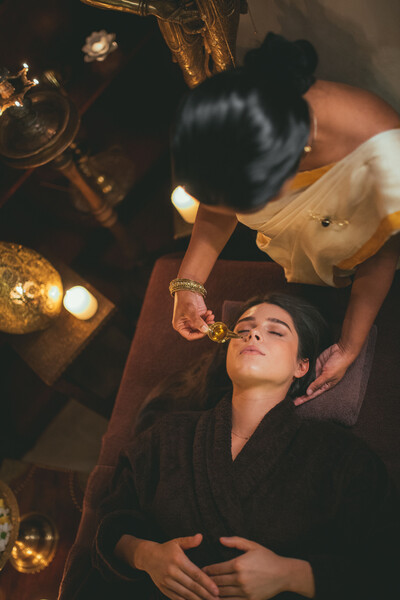
Mukhaabhyanga — facial massage
Padabhyanga — foot massage
Each therapy uses different oils, techniques and pressure points depending on the intended effect.
The Best Time for Ayurvedic Massage
Ayurvedic massage may be performed at different times of the day, though Ayurveda recognizes that timing can influence its effects.
Morning Treatments
Morning hours are considered supportive for energizing the body, stimulating circulation and encouraging detoxification.
Afternoon Treatments
Afternoon massages are often chosen for relaxation, stress reduction and calming the nervous system after the intensity of the day.
Benefits of Ayurvedic Massage
When practiced regularly and appropriately, Ayurvedic massages may help support:
Detoxification and circulation
Skin nourishment and vitality
Stress relief and emotional balance
Better sleep and relaxation
Joint and muscle comfort
Overall doshic balance
When Should Massage Be Avoided?
Although highly beneficial, Ayurvedic massage may not be suitable in certain situations, including:
Fever or acute illness
Open wounds or severe skin irritation
Pregnancy (unless specifically approved and supervised)
Certain cardiovascular conditions such as uncontrolled high blood pressure
For this reason, Ayurveda always emphasizes the importance of consultation with a qualified practitioner before beginning treatment.
In Ayurveda, massage is understood as far more than a physical therapy. It is a deeply nurturing ritual that supports the connection between body, mind and nervous system. Through conscious touch, medicinal oils and individualized care, Ayurvedic massage offers a gentle yet powerful path toward balance, restoration and long-term wellbeing.
The text was prepared by Dr Dananji